From PM to One-Person Company: What I Learned Building Products That Actually Make Money
A product manager's honest playbook for building a one-person company — from browser extensions to ¥1M ARR, the tools, the failures, and the lessons along the way.
Key Takeaways
- Three barriers — knowledge, resources, and productivity — are collapsing simultaneously, making one-person companies more viable than ever.
- You don’t need a team. Chris built a Web3 tool (¥300K revenue) and a live-commerce SaaS (¥1M ARR in 3 months) — both solo.
- Building is the easy part. Distribution — video, SEO, content, private traffic — is where money is made or lost.
- In ultra-niche markets, information asymmetry lets you price freely. Charge what the value is worth.
- The product loop: build → deploy → get users → collect money → analyze. Enter consolidates 90% of this stack.
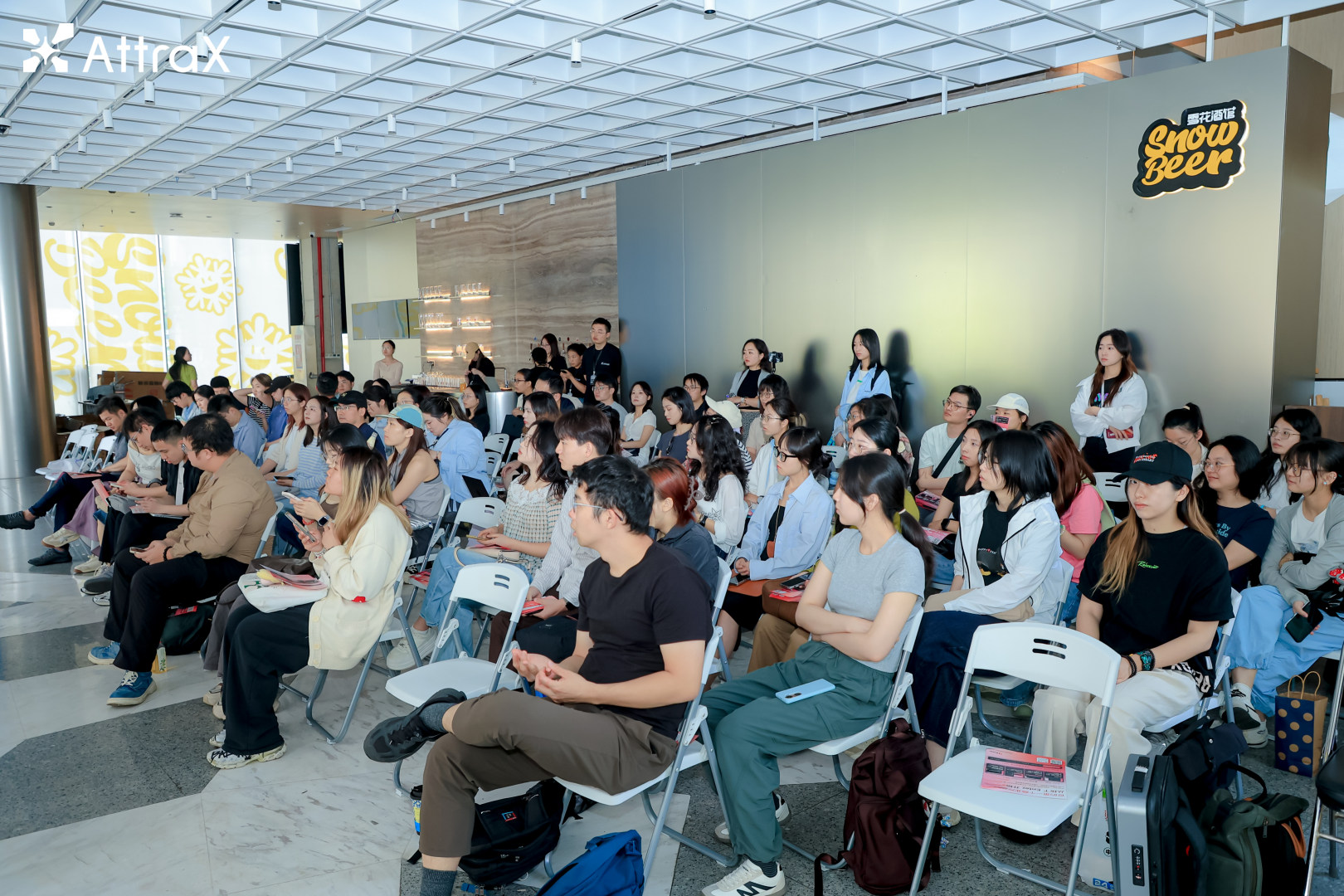
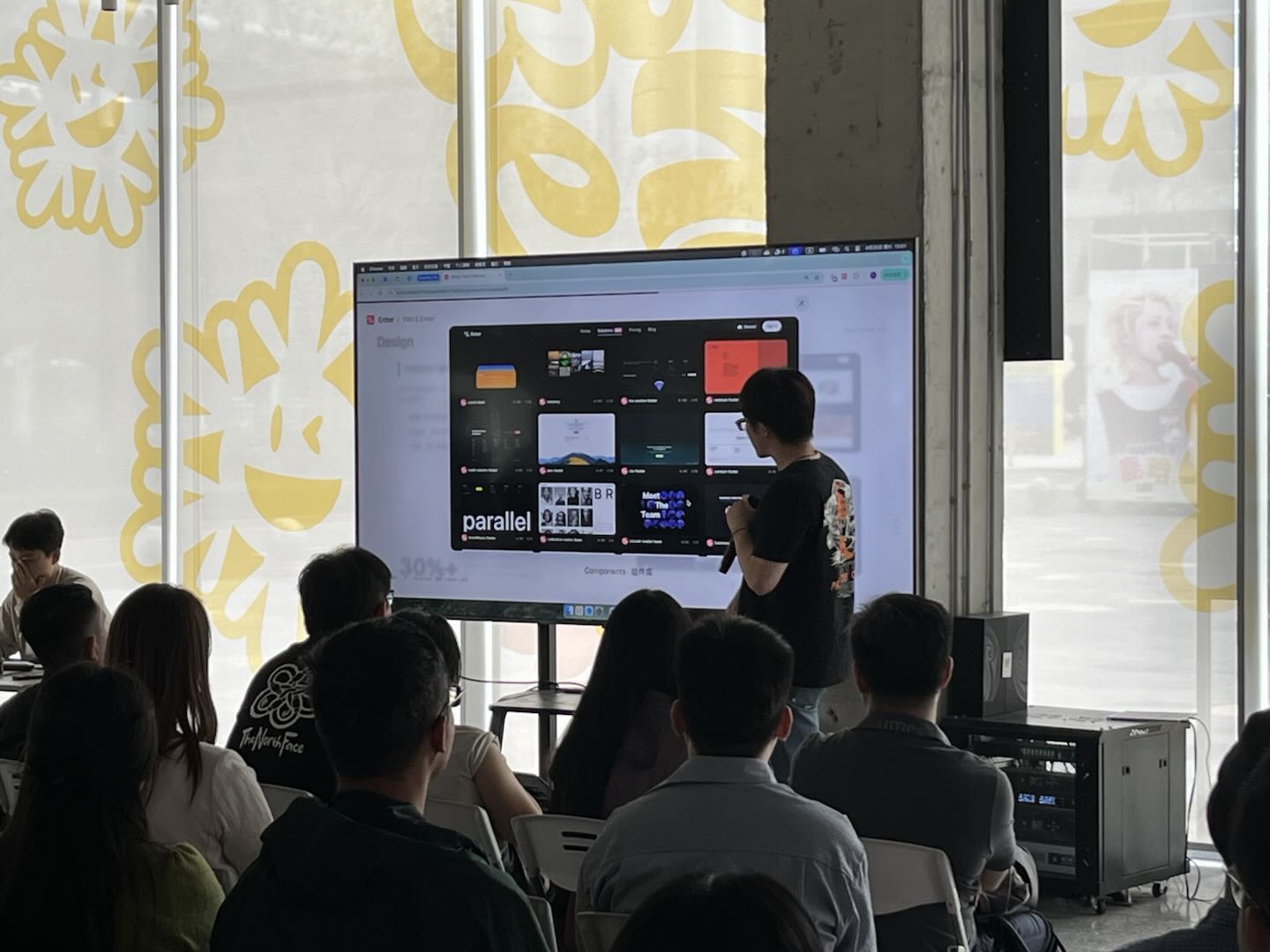
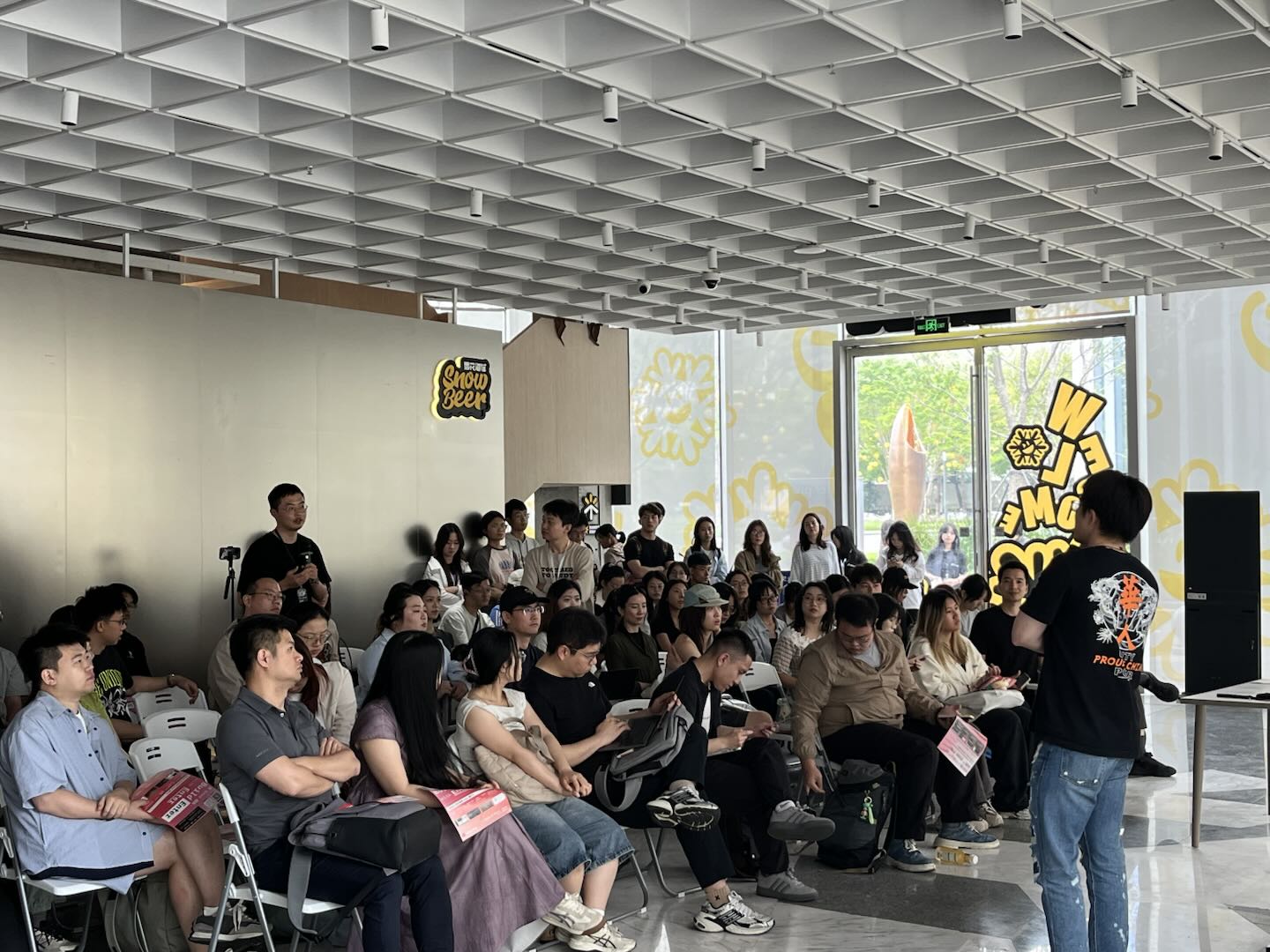
On April 25th, Enter.pro's PM Chris gave a talk at Spring Tide Shenzhen Hackathon — the 4.25 Workshop, hosted by AttraX. The session was called Solo Founder: From Idea to Launch— a Vibe Coding hands-on session about how to actually build a product you can commercialize. Standing in front of a room full of aspiring solo founders, he shared something he doesn't usually talk about publicly — how he went from being a PM at a tech company to running profitable side businesses on his own, and what that taught him about building products in the age of AI.
The Walls Are Coming Down
Chris started with an observation that's been nagging at him for the past two years — the moats that used to protect established tech companies are dissolving.
When all three collapse, chaos is where opportunity lives.
Execution:What used to require a team — finance, marketing, dev, ops — can now be handled by one person. That's the OPC reality.
Two Real Cases
Case 1 — A Niche SaaS Tool
In 2024, Chris spotted a gap in a hyper-vertical market — information was siloed between players. He built a tool, priced it at 499–1,999 RMB, drove growth through content marketing, and hit 300K RMB lifecycle revenue. He shut it down when AI alternatives emerged. No regrets.
Case 2 — A Live Commerce Solution
A workflow tool for top-tier livestream sellers in China. Hit 1M RMB ARR in 3 months, with potential for 2M annual. The graveyard is bigger than the trophy case — but you only need one or two to work.
The Part Nobody Wants to Do
Building is easy. Selling is where most people quit.
Chris grew a YouTube channel to 1,600 subscribers. Livestreams, SEO content, WeChat support, personal brand. The hardest step is putting yourself out there. But that first payment notification changes something in you.
What Enter Actually Does for Builders Like Me
Let me put on my PM hat. The tech stack for an indie product in 2024 was absurd. Enter changes that.
Design — Templates to Custom
Three paths: templates, agent, and components. Already driving 30% of 1,000 daily projects. Start fast, go deep.
AI — All in One Endpoint, Every Model
Unified API: LLMs, image, video, TTS, music. One integration, every model. No juggling providers.
Cloud — The Boring Important Stuff
Database, storage, serverless, domain, SSL, hosting — all in one flow. Infrastructure that disappears.
Payments — The Missing Piece
International payments for individuals, not just companies. US, Singapore, Europe. Your first dollar from anywhere.
All without leaving Enter.
Enter Code — The Missing Piece
Enter's cloud builder is powerful, but it has limits. It can't do mobile apps, WeChat mini-programs, browser extensions, or complex backend engineering well — the gap between cloud-based tools and local development is still real. Enter Code fills that gap: a standalone local dev tool that covers mainstream tech stacks and product formats.
But it's not just a coding tool. Chris put it plainly: “She's your secretary.” Enter Code can produce videos, write articles, connect to WeChat — anything you can do with code, she can do. The skill you need to learn is how to delegate like a boss.
Enter Code vs. Claude Code
Chris joked: “Think of us as the real challenger to Claude Code.” Then got serious: “We're more flexible, understand you better, and more stable.”
| Dimension | Enter Code | Claude Code |
|---|---|---|
| Size & Startup | Standalone binary. Download and run — no Node required. | TypeScript-based. Requires Node runtime. Slower start, higher memory. |
| Memory | Two-layer memory (project + global) with auto-dream. Gets smarter over time. | Fixed categories. No global memory. |
| Long Conversations | Proactive compression. No detail loss. Lower token usage. | Blunt threshold-based summarization. Loses details. |
| Permissions | Smart risk assessment — fewer interruptions while staying safe. | Blanket manual approval for everything. |
| Fluency | Auto-predicts next questions + Bash ops. Voice input supported. Some operations cost 0 tokens. | No prediction. No voice input. |
| Account System | Shared with Enter Web — same subscription, quota, and identity. | Standalone Anthropic account. |
| Model Choice | Model-agnostic. Claude, GPT, Gemini, DeepSeek, Kimi, Minimax, GLM — switch anytime. | Claude only. |
Together, Enter (cloud) and Enter Code (local) form a complementary system. Cloud handles web building, storage, serverless functions, and AI models. Local handles everything else — apps, mini-programs, extensions, complex backends, and beyond-code tasks. The two will only get more integrated over time.
Proof It Works — The Money Day Experiment
Enter ran an online OPC bootcamp, co-organized with WaytoAGI. The results were real.
Money Day: Enter paid people who integrated payments and made their first sale. Real people. Real things. Real money.
Advice for Fellow Solo Founders
Lower your expectations
A few thousand extra per month is a real win. It's not failure — it's a foundation.
Use the margins of your day
The hours between your job and your sleep. With AI, those hours are more productive than ever.
Fail more
The formula: try 100 things, talk to 1,000 people. Volume is your edge. Failure is data.
OPC is not a title — it's a side effect
The label came after the work. Don't romanticize it. Build first, identify later.
One More Thing
Don't chase overnight success. But imagine — you could build something real. Opens laptop at midnight.
This post is based on Chris's talk at the Spring Tide Shenzhen Hackathon 4.25 Workshop hosted by AttraX, April 25, 2026. Chris is a PM at Enter who has shipped multiple solo products — SaaS and e-commerce — with six-figure wins and plenty of failures. His belief: the best PMs are the ones who've sold their own products.
Want to go from idea to launch?
Build, deploy, and collect payments — all in one platform.
Try Enter Free