Earth Sound — The World Has Always Been Singing. We Just Built the Map.
Six musicians — rappers, DJs, producers — boarded a flight to Shenzhen with no product, no code, and no engineers. Somewhere at 35,000 feet, one of them looked out the window and wondered: what if the lines connecting cities weren't drawn in ink, but in sound? What followed was Earth Sound — a 3D globe mapping 24 cities, 63 tracks, six continents. Not a playlist. An atlas. Built at a hackathon, with Enter, by people who'd never shipped software before.
"Music is the universal language of mankind." — Henry Wadsworth Longfellow
A Question That Arrived at 35,000 Feet
There's a moment on a long flight when the ground below stops looking like a country and starts looking like something else entirely. Cities become clusters of light. Borders dissolve. And if you happen to be a rapper who thinks in rhythm rather than coordinates, you might find yourself asking a question that has nothing to do with geography: what if the lines connecting all those lights weren't drawn in ink — but in sound?
That question, somewhere over eastern China on a flight to Shenzhen, became Earth Sound.
Not a Playlist. An Atlas.
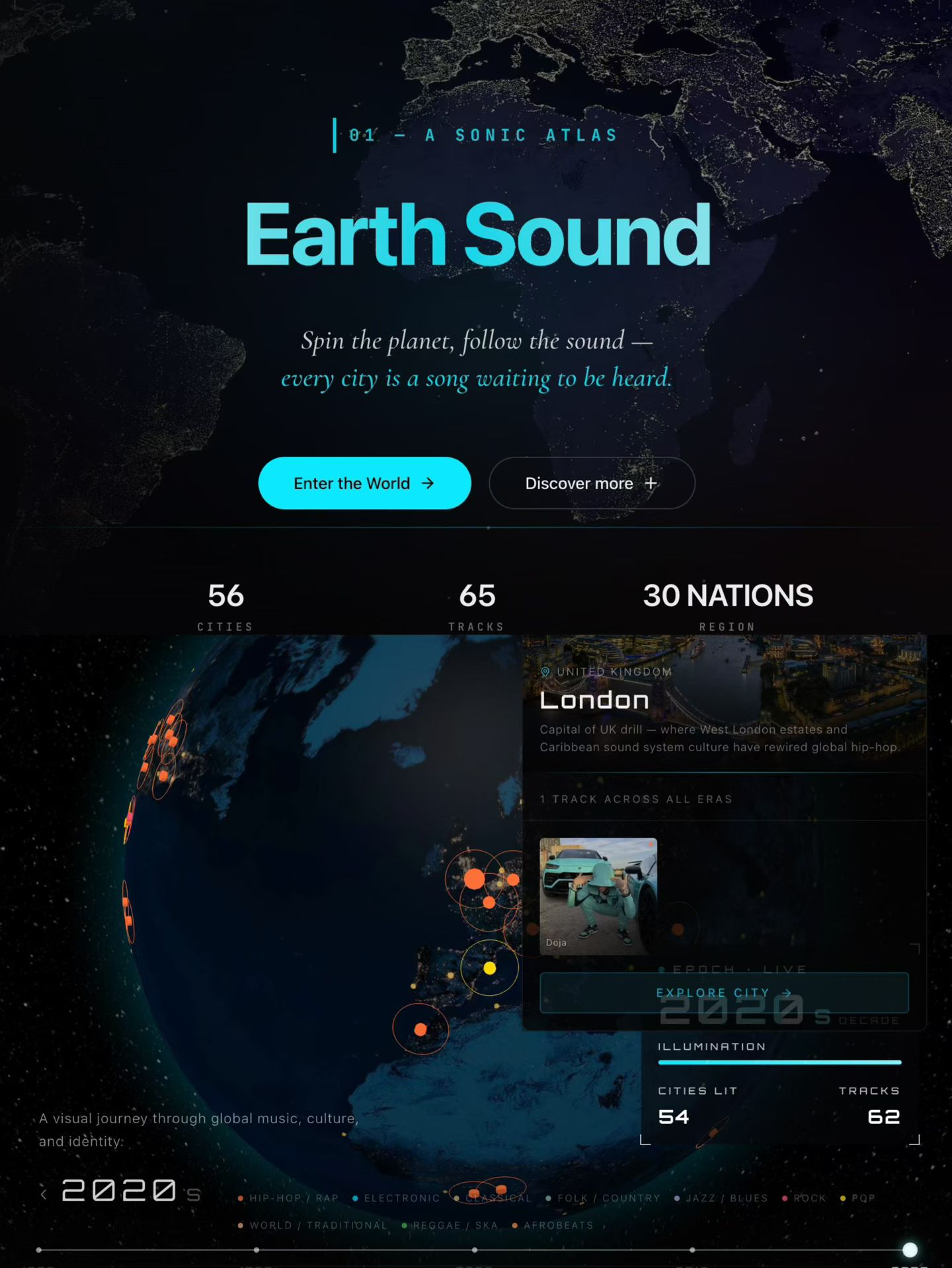
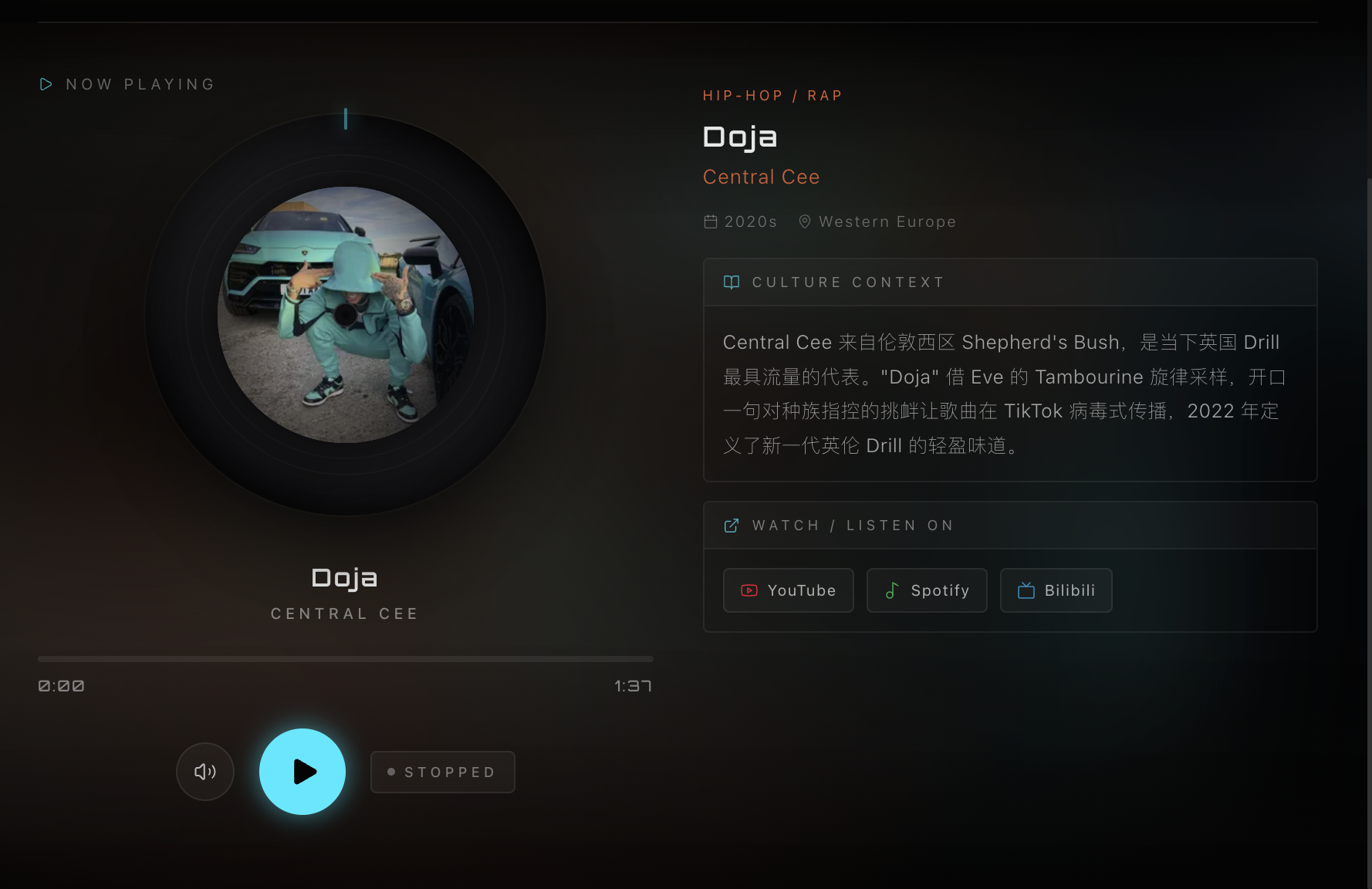
Open Earth Sound and a 3D globe fills your screen, slowly rotating. Click on London, and a song surfaces — the one track that most honestly captures the city's mood right now, paired with the artist's story and a note on why this particular record matters here, in this decade. Drag the timeline back to 1980, and the globe shifts. You watch Hip-Hop flicker into existence in New York, spread borough by borough, then city by city, until by 2020 it's lighting up neighborhoods in China too. Six continents. Twenty-four cities. Sixty-three carefully chosen tracks.
Not a playlist. Not a streaming service. Something closer to an atlas — except instead of roads and rivers, it maps the sounds a city makes when it's trying to tell you who it is.
All Musicians. Zero Engineers.
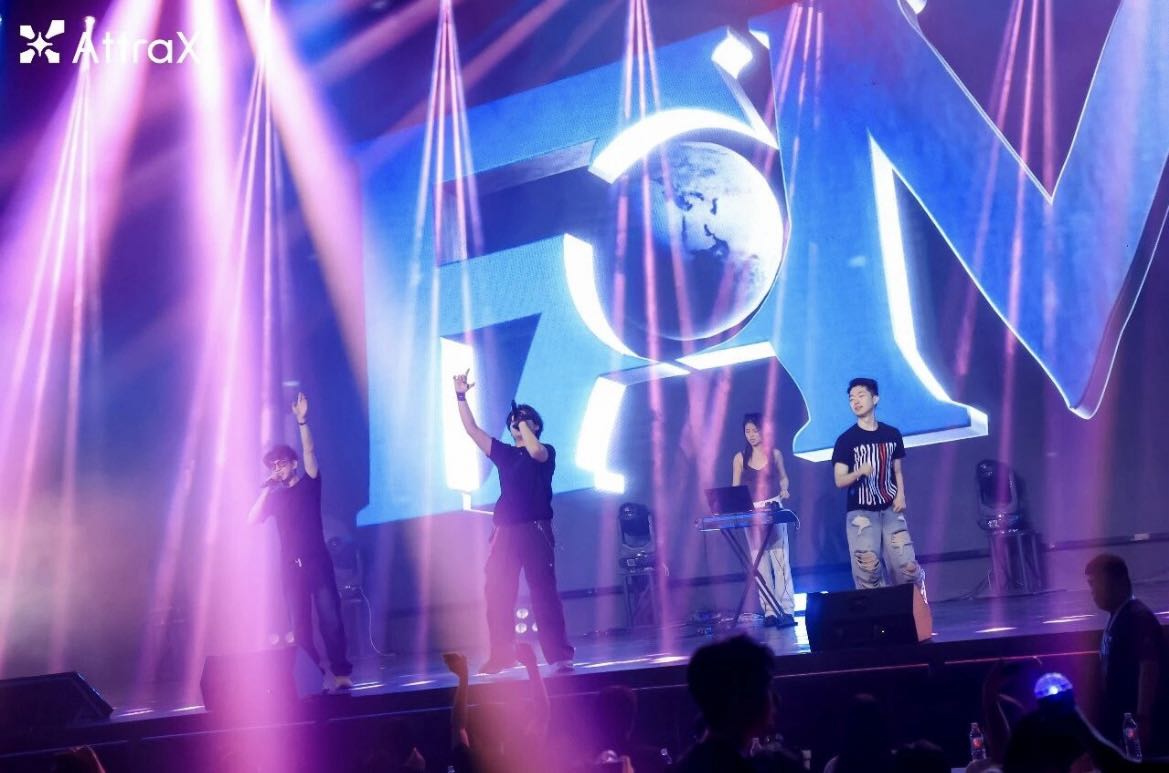
Mao Guanzhong and his team — FutureAsianMade, or FAM — arrived at the AttraX Spring Hackathon in Shenzhen as something of an outlier. Six students from Peking University, Tsinghua, NUS, the Central Academy of Fine Arts, and HKUST. Rappers, DJs, producers. Not a single engineer among them. Full business majors, every one.
The idea didn't exist before the flight. Mao was watching the landscape blur past his window and thinking about what it meant to cross a country in two hours, and then it arrived: maybe the meridians aren't the only thing running alongside the earth's surface. Maybe it's melody. Music as the connective tissue of civilizations. Each city with its own sonic fingerprint. Each era with its own frequency.
By landing, they had a concept. What they didn't have was any idea how to build it.

A Slow Start, Then a Full Sprint
Day one was slow — they'll say so themselves. But there was the electric atmosphere of a venue packed with teams who looked like they'd been shipping products since high school. FAM looked around, felt the distance, and made a quiet decision: all in, starting now. From that afternoon through the first night, they didn't stop. A few hours of sleep, then straight back. The kind of pace that only makes sense when the thing you're building feels genuinely worth it.
The challenge wasn't just the clock. It was the scope: a rotating, interactive 3D globe. City-level music curation across decades. Visual design that felt like you were holding something, not just browsing it. They knew exactly what they wanted the experience to feel like. The gap between that feeling and a working product was where the real work lived.

3 A.M. Out of Fuel
Somewhere in the small hours of the second night, the tokens ran out.
For a team with no technical co-founder, no engineering safety net, and a presentation in a few hours — this was the moment that breaks projects. Mao did the only thing available to him: he called his friend Eva, who worked at Enter Pro, at 3 a.m. She was already home. Already asleep. He explained what they were building and asked her to trust them.
She didn't hesitate. The tokens came through, and FAM kept going.
It wasn't the only time help arrived that night. As the product came together, bugs surfaced in the live site — the compounding kind that multiply under pressure. Enter Pro's team was in the backend remotely, patching issues in real time, keeping the build alive through the final hours before the presentation.
Mao had taken a chance on Enter Pro based on a memory: a Chinese rap hall of fame site he'd built at a Tsinghua event months earlier, where the output had surprised him — how polished it felt, how fast it moved. He trusted that instinct in Shenzhen. The 3D globe, the city interaction layers, the album artwork, the page layouts, the timeline mechanics, even their pitch deck — took shape through Enter Pro. Not through code. Through a team of non-engineers who knew precisely what they were trying to say, even when they had no technical vocabulary to say it.
Third Place. But That's Not What They're Proudest Of.
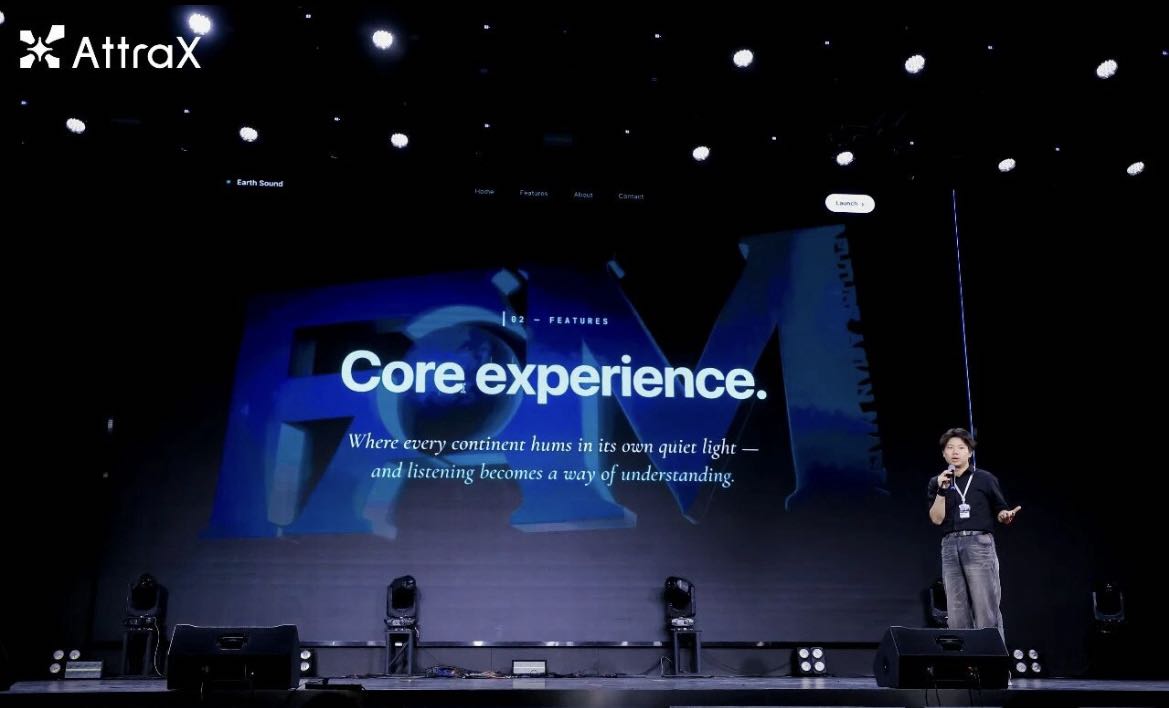
FAM placed third at the AttraX Shenzhen Spring Hackathon — the only all-musician team in the building. When Mao talks about how they got there, he doesn't soften it:
"Our project reaching the finals was truly because of Enter's massive contribution. I genuinely believe that."
What they're most proud of isn't the placement. It's the annotation: for every city on the globe, FAM wrote the reason. Why this song. Why this decade. Why this place. Because the argument is the point — the moment someone disagrees, the moment someone says I don't think that track represents my city, they've become part of what Earth Sound is actually building: not a map of music, but a conversation about it.

What's Next
Earth Sound is just getting started. The roadmap reads less like a feature list than a plan to build something the internet has never quite had: a living archive of global music culture, built by the people who actually live inside it.
The most immediate addition is social — comment threads and a live, danmaku-style reaction layer that surfaces as you explore the globe, so that clicking on Tokyo in 1993 puts you in a room with everyone else who landed there too. From there, the debate goes democratic: city anthems put to a public vote, earned through genuine cultural argument rather than algorithmic ranking.
Content-wise, the map is expanding in every direction — fuller genre coverage, dedicated artist profiles for each city, and a shift in the time axis from decade-by-decade blocks to year-by-year precision. Dedicated zones for the 90s, the early 2000s, the 2010s — each era reconstructed track by track.
Threading through all of it: a built-in AI assistant for the moments when curiosity outruns the interface. What year is this from? Who made it, and what city shaped them? What does this sound actually mean? Earth Sound isn't trying to be another place to play songs. It's trying to be the place where people who care about music come to think about it.
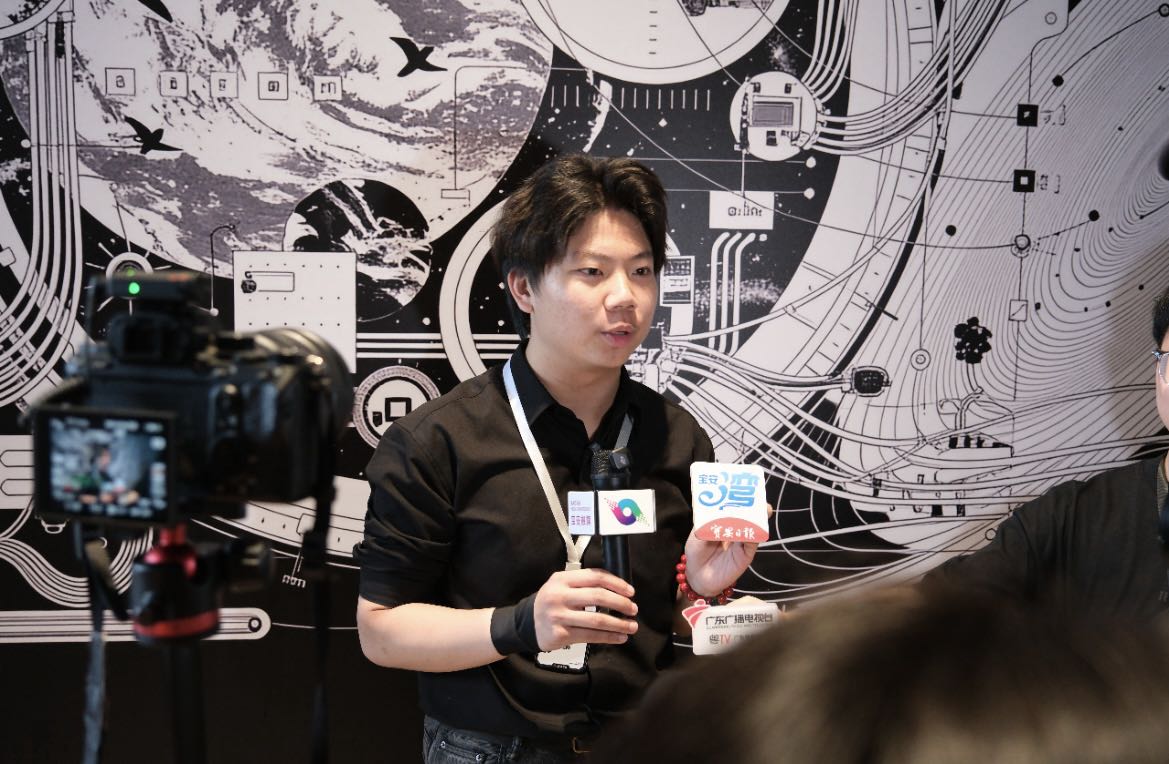
Earth Sound started as a thought at cruising altitude — a rapper pressing his face to a plane window, wondering if music might be the truest map the world has ever made. For a team with no code, no runway, and a clock running out, they built something that actually moves.
The earth was always singing. It just needed someone to build the interface.