How to Create Interactive Simulation using Enter
Discover how three first-gen Vietnamese Americans built an educational game about the 1975 Fall of Saigon refugees at HackPrinceton. A story of heritage, history, and code.
"There is no greater agony than bearing an untold story inside you." — Maya Angelou
Every person carries a story. A memory, a community, an experience that shaped who they are and deserves to be shared with the world. However, most of those stories stay locked inside; not because they are not worth telling, but because no one ever handed the person a way to tell them.
That is what we believe, at Enter, every single day. And that is exactly what happened at HackPrinceton Spring 2026.
This week, we shared our experience of that weekend: 105 students, 38 projects, 36 hours, at HackPrinceton 2026. If you missed it, you can read it [put the link of past blog]. That article was about the energy, the mission, the bigger picture.
But the bigger picture is made of smaller ones. Specific ones. The kind that stays with you.
This is the first post in a series where we go deeper, one project at a time. The story behind the build, the people behind the screen, and what it actually means to ship something real in 36 hours, for the first time, with something personal on the line.
Three First-Generation Vietnamese Students.
They had never built a game before. They had never competed in a hackathon before. They showed up at Princeton with an idea rooted in something deeply personal: a part of history they had grown up hearing about at home but rarely seen acknowledged anywhere else.
All three collaborators on Vietnam Trail are first-generation Vietnamese Americans. And the story they wanted to tell was not theirs alone. It belonged to their parents, their grandparents, and the hundreds of thousands of Vietnamese refugees who fled their country after the Fall of Saigon in 1975.
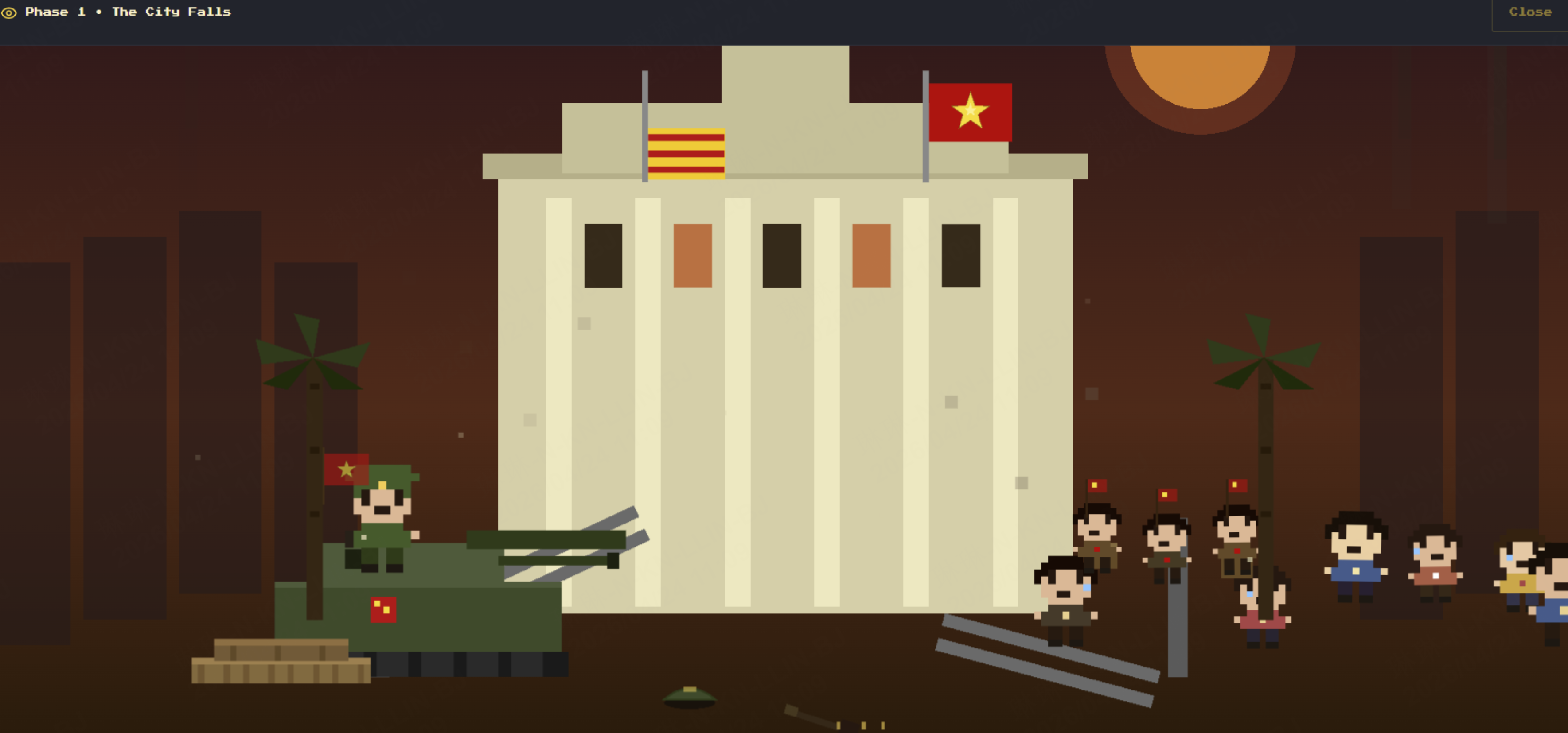
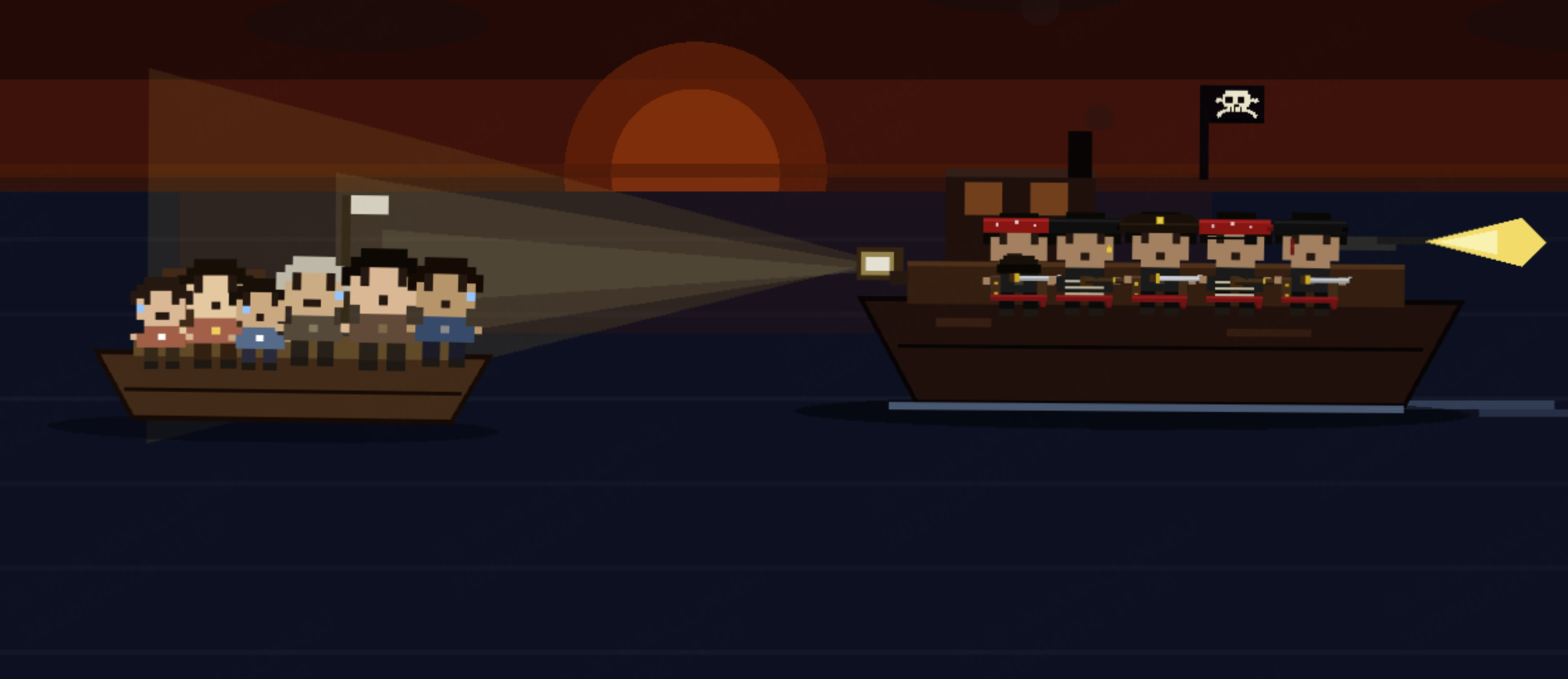
One in three of them did not make it.
That number rarely makes it into history classrooms. The coverage of this period of history tends to focus on the big dates and political decisions made thousands of miles away. Like most of periods of history we learn, the people who lived through it are often missing from that narrative.
These three students decided to change that. Not with an essay, not with a presentation — but with an interactive game.
What They Built — And Every Choice They Made With Care
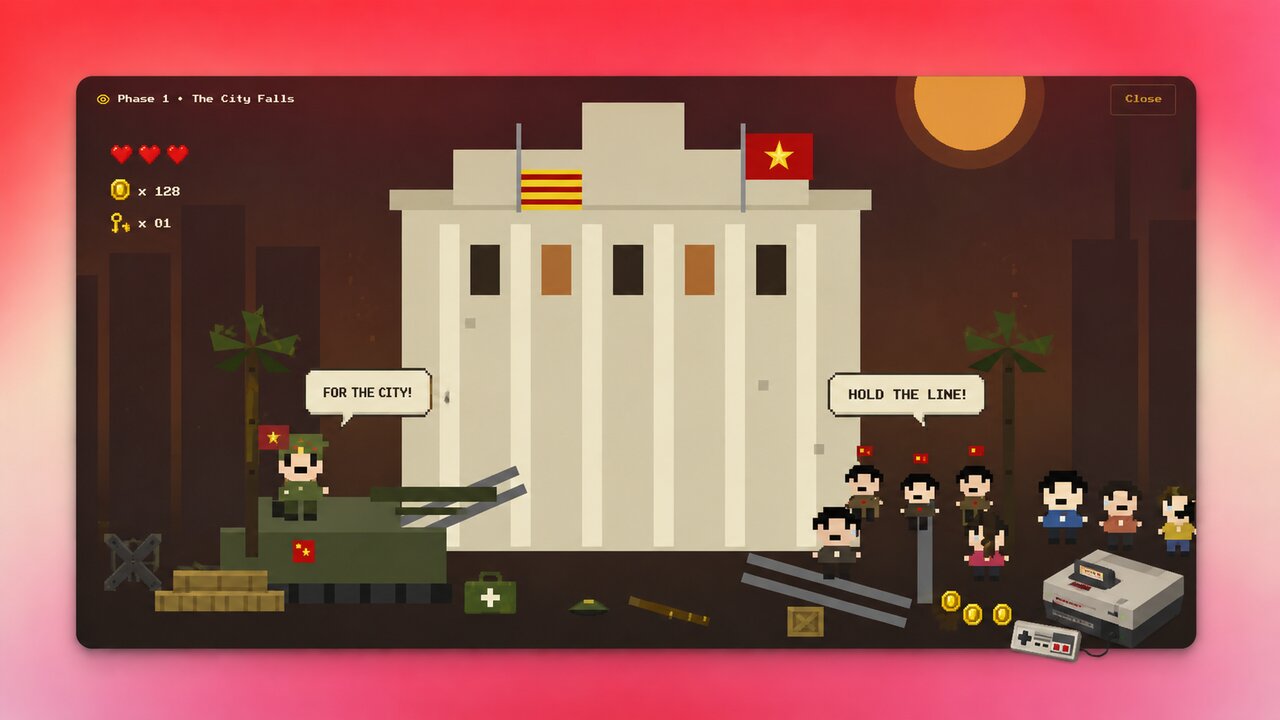
This Heritage in Pixel is an educational single-player story game. You play as a Vietnamese refugee in 1975. You are fleeing political persecution, economic instability, and a country that is no longer safe. Your goal is to find a way out. It is not guaranteed that you will. The mission of this game is to offer a new narative and lens of a part of history that is impossible to capture in a singular angle.
The format was inspired by Oregon Trail: familiar, accessible, designed for younger players who are most likely to benefit from learning this history in a new way.
But here is what made this project remarkable. It was not just what they built. It was every deliberate choice they made about what not to build.
No leaderboard. No achievement badges. No score.
This was intentional. They were not building entertainment for entertainment's sake. They were building a memorial — an experience that honors the people who made that journey, including members of their own families. Adding a leaderboard would have turned an act of remembrance into a competition.
They also chose not to let AI generate the story or the art on its own. The risk of a model creating a distorted, inaccurate, or disrespectful portrayal of people having lived through this experience — including their own parents — was something they were not willing to take. Every narrative decision was made by them, with intention.
What remained was something rare at a hackathon: a project built with as much care as urgency.
How Three Rookies Built It in 36 Hours
None of them were experienced developers. None of them had shipped a game before. This was their first hackathon.
They built Vietnam Trail on Enter.pro — In 36 hours.
Their own words say it better than we can:
"Enter.pro is responsible for allowing three rookies to build an extensive app in 36 hours."
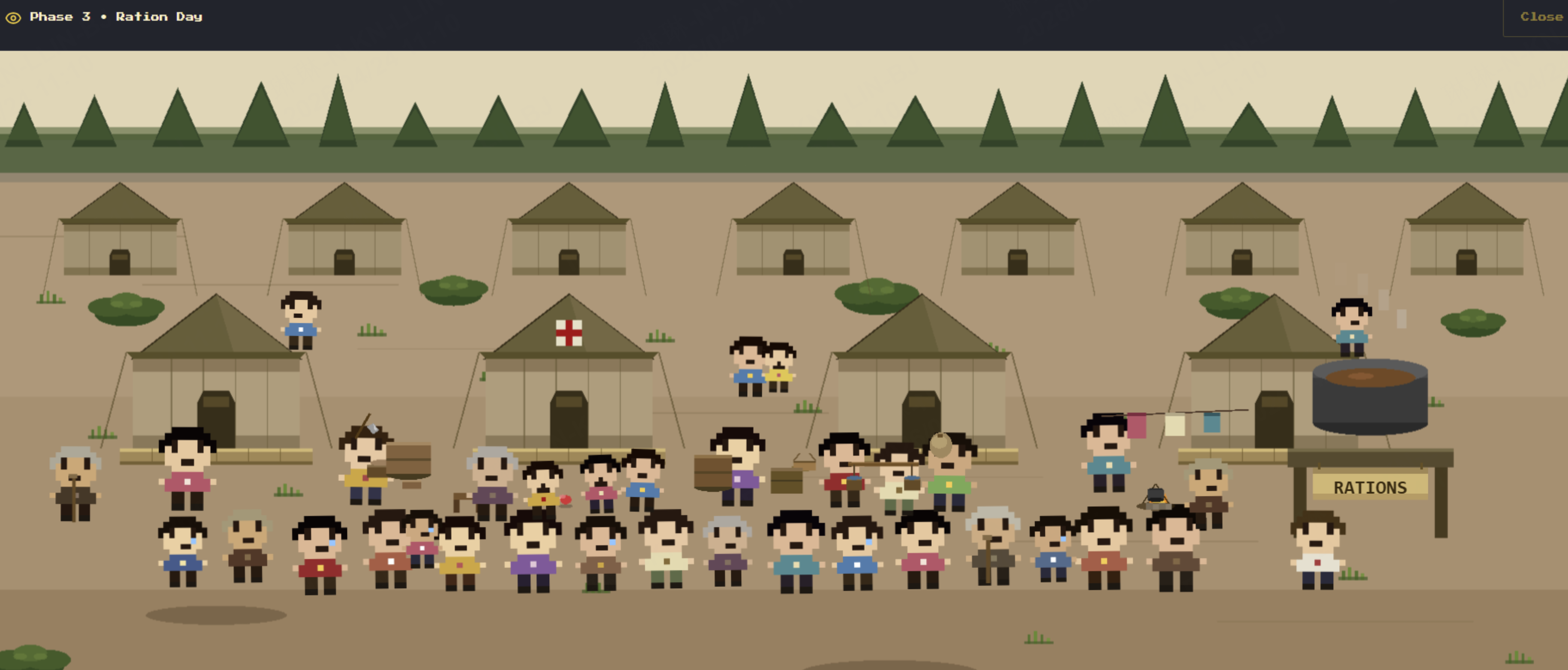
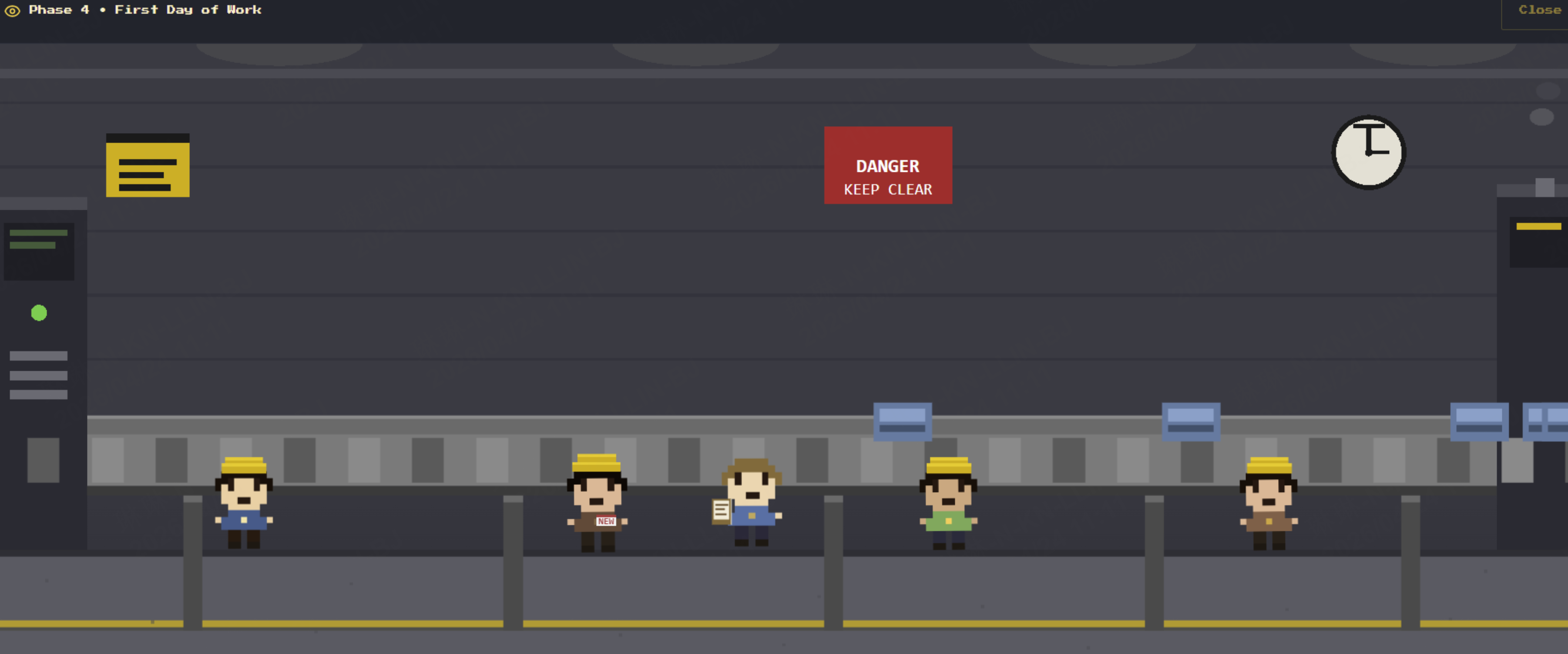
The animated pixel art, the cutscenes, the visa interview NPC, the branching narrative — all of it live, all of it working, all of it submitted on time. For a first build. At one of the most competitive university hackathons in the country.
What They Are Proud Of
The pixel art, first. None of them are artists. And yet the cutscenes are beautiful — hand-directed, emotionally resonant, pixel by pixel. That is what happens when people care deeply about what they are making.
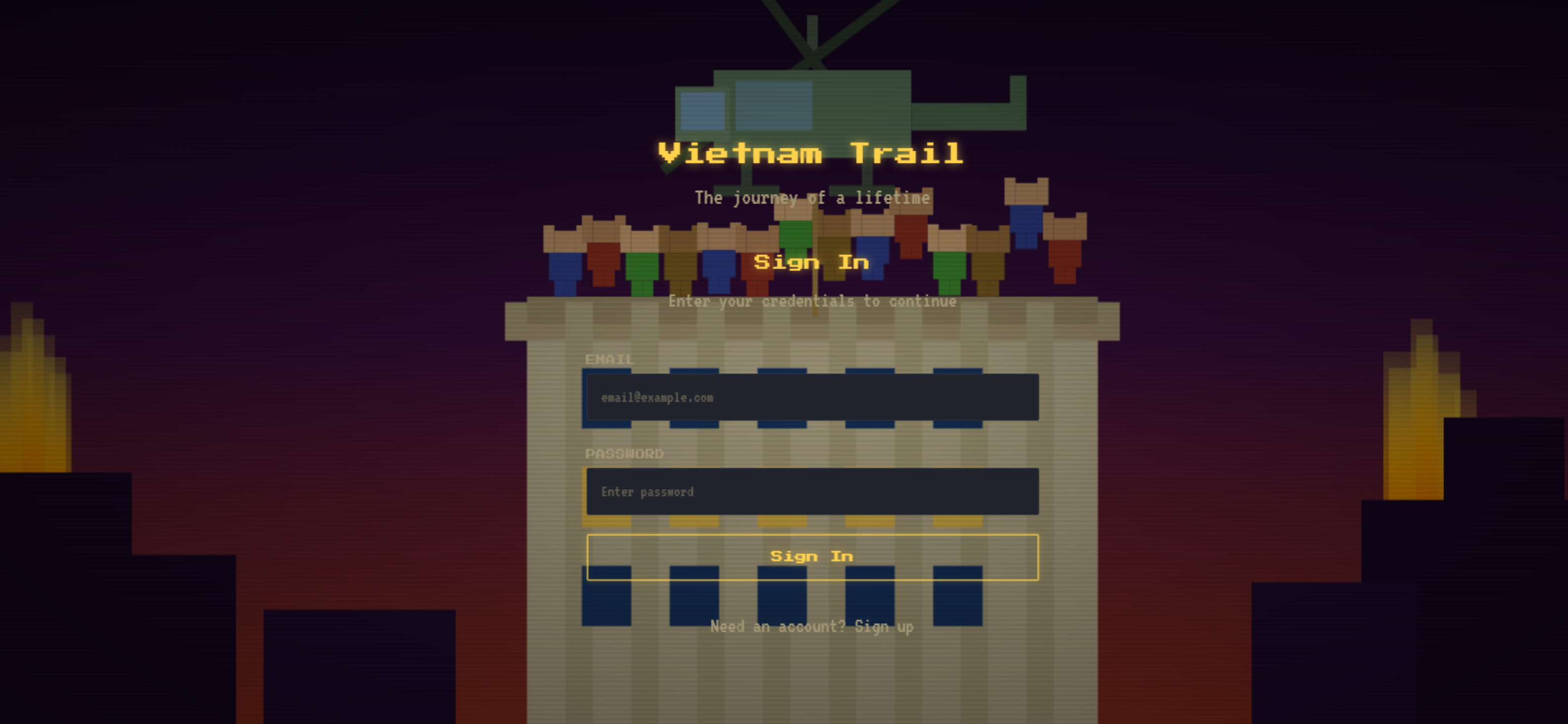
They are also proud of having built a working AI interviewer NPC — a character that walks players through the visa application process that real refugees had to navigate. It is not just a game mechanic. It is a way of making history tangible, interactive and personal. They are proud of it, as much as we are from their project.
What Comes Next for the Heritage in Pixels
The story is not finished. The team plans to expand the number of paths players can take, because not every person had the same journey, and not all of them ended up in America. Future versions will reflect that.
They are also building because the history demands it. Most players will finish this game knowing more about this period of history than they did before. That is the point.
This Is What We Build For
We often talk about our mission at Enter — that anyone with an idea should be able to build it. We say it because we believe it. But sometimes belief needs proof.
This Heritage in Pixel is proof.
Three students with no prior experience, a story that mattered to them, and 36 hours. The result is a real, working, emotionally considered piece of software that will educate everyone who plays it.
The blank screen never stood a chance.
Here is your chance to experience this project: Vietnam Trail Project
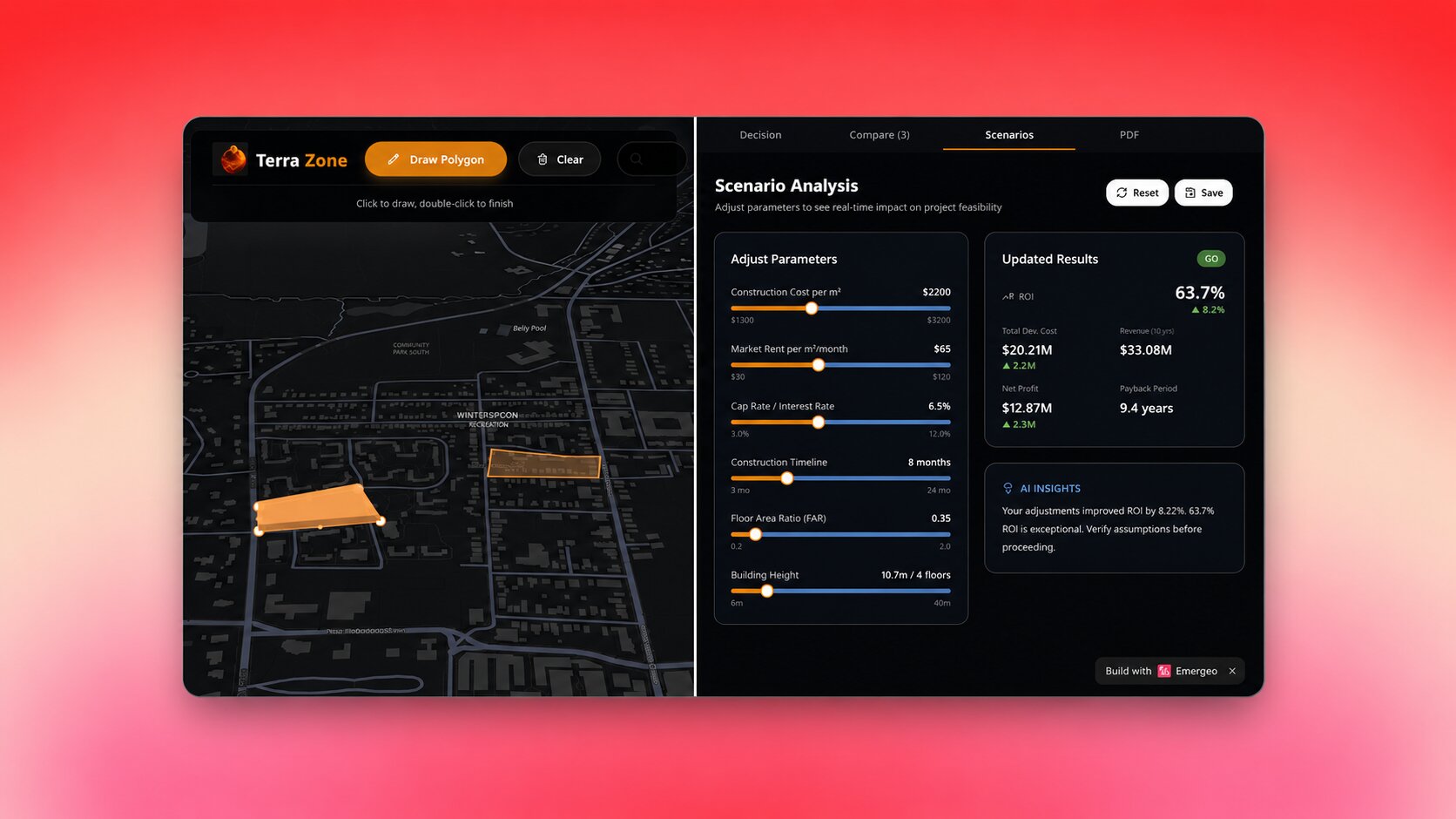
This is Vol. 1 of our HackPrinceton Builder Series. Next, we go inside Terra Zone AI — a platform that answers one of real estate's most expensive questions in under 60 seconds. Stay tuned.