How to Code with AI: Build Intelligent Apps from Scratch
Ready to learn how to code AI? Enter Pro explains the tools, frameworks, and programming concepts behind machine learning and generative AI, helping you create smarter applications and expand your technical expertise.
Learning how to code AI opens the door to create smart applications that will be able to analyze data and do things for you. Regardless of whether you want to learn machine learning, generative AI, or the actual development of AI, it is crucial to comprehend everything about it. You'll learn what is needed to know, master, practice, and apply to develop AI by yourself in this comprehensive tutorial. With Enter Pro's help, you'll get all the assistance you need to achieve your goals.
What does it mean to code AI?
The process of learning to code AI involves writing a program capable of analyzing data, identifying patterns, and making decisions with limited human interaction. AI systems differ from conventional applications that operate using predetermined sets of rules because they constantly learn and improve by using algorithms. Learning to code AI requires knowledge of programming languages such as Python, along with other AI tools used by developers to build intelligent software. Coding generative AI also becomes an interesting part of many people's education when it comes to AI development.
Essential skills you need to learn how to code AI
Before learning how to code AI, there are a few things you should consider, such as building up some experience. AI programming involves programming, math, analyzing, and solving problems in order to produce intelligent systems capable of learning and making decisions. Whether you aim at developing machine learning models or figuring out how to code AI generators, having a solid skill set will be helpful for your future work.
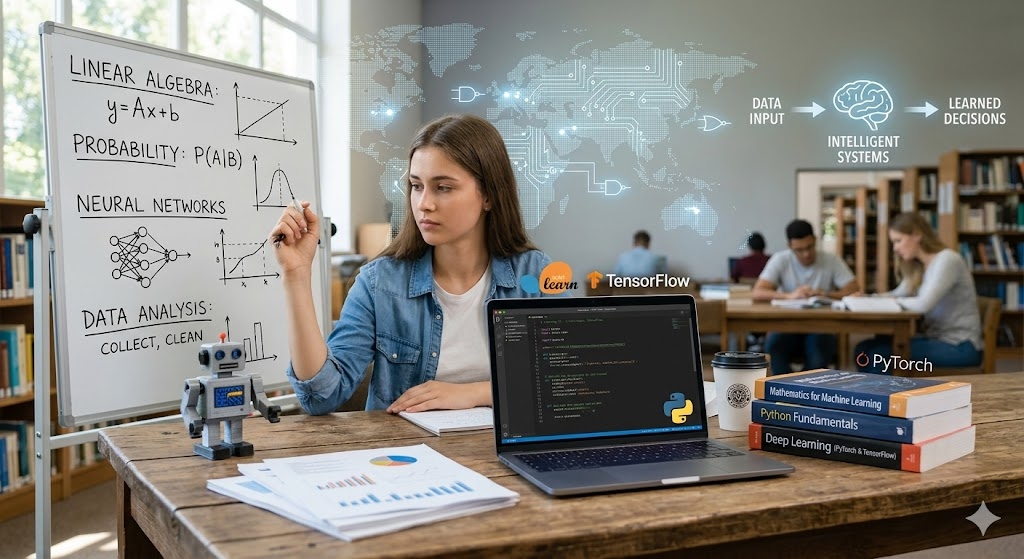
- Programming fundamentals: Learn languages like Python, which is widely used for AI development due to its simplicity and extensive library support.
- Mathematics and statistics: Understanding concepts such as algebra, probability, and statistics helps you work with machine learning algorithms and data models.
- Data analysis skills: AI systems rely on data, so knowing how to collect, clean, and interpret datasets is crucial.
- Machine learning knowledge: Familiarize yourself with supervised learning, unsupervised learning, and neural networks to understand how AI models work.
- Problem-solving abilities: Strong analytical thinking helps you identify challenges, design solutions, and improve AI performance.
- AI tools and frameworks: Learn popular platforms such as TensorFlow, PyTorch, and Scikit-learn to build and deploy AI applications efficiently.
Developing these skills will provide a solid foundation for anyone looking to learn how to code AI and create innovative AI-powered solutions.
Best programming languages and tools for how to code with AI
Choosing the right languages and tools is crucial for learning how to code AI and building effective AI applications.
Best programming languages for AI
- Python
Python is the programming language that is extensively employed to learn coding AI because of its simplicity and easy-to-understand nature. Python facilitates the use of powerful libraries such as TensorFlow, PyTorch, and Scikit-Learn, making it easier for programmers to develop machine learning and deep learning programs.
Best for: Beginners and professional AI developers.
- Java
Java is the language that is extensively used for building enterprise-level AI applications because it provides scalability and reliability. The programming language has other features, including platform independence and high security standards that make it suitable for developing robust AI applications.
Best for: Enterprise-grade AI applications and scalable systems.
- C++
C++ is one of the fastest programming languages and, therefore, perfect for use in AI applications where performance is important. Applications such as robotics, computer vision, gaming AI, among others, are common uses of C++.
Best for: High-performance and resource-intensive AI projects.
- R
R is a specialized programming language designed for statistical computing, data analysis, and visualization. It offers extensive packages for machine learning and predictive modeling, making it a valuable tool for data scientists who need deeper insights from AI-driven datasets.
Best for: Data science, analytics, and AI research.
Top AI frameworks and libraries
- TensorFlow
TensorFlow is a highly capable open-source framework that can be utilized to develop machine learning and deep learning models. It provides flexible tools for model training, deployment, and optimization, allowing developers to create AI applications that can scale across devices and platforms.
Best for: Developing and deploying large-scale AI models.
- PyTorch
PyTorch is a widely used deep learning platform that is much loved by developers and researchers due to its adaptability and simplicity. It makes experimenting with neural networks easy and allows creating advanced AI solutions, making it one of the top choices for today's artificial intelligence development.
Best for: AI research and deep learning development.
- Scikit-learn
Scikit-learn is a simple and easy-to-use machine learning package that can perform tasks like classification, regression, clustering, and preprocessing. The simplicity of its interface makes it easier for programmers to quickly learn and practice machine learning through scikit-learn.
Best for: Learning machine learning and building predictive models.
- Keras
Keras is a high-level deep learning library that makes the task of creating and training neural networks much easier than before. It features a user-friendly interface through which even complex artificial intelligence systems can be created using fewer lines of code.
Best for: Rapid deep learning model development.
How to code AI: A step-by-step beginner's guide
Follow these five essential steps to learn how to code AI and build intelligent applications successfully.
Define your AI project goal
The first step in learning how to code AI is identifying a clear problem to solve. Defining a specific goal helps you choose the right datasets, tools, and machine learning techniques. A well-defined objective also provides direction throughout the development process and makes it easier to measure the success of your AI application.
Learn Python and choose AI tools
Python is the leading language for creating programs that run AI algorithms, owing to its ease of use. Python programming, along with knowledge of some of the named frameworks such as TensorFlow, PyTorch, and Scikit-learn, will aid in creating machine learning models.
Collect and prepare data
All AI applications begin with data. Collect any needed datasets, eliminate duplicates, fix errors, and structure data into a proper format. Good data preprocessing improves the accuracy of your models, reduces the risk of bias, and enables ML algorithms to learn from the collected data.
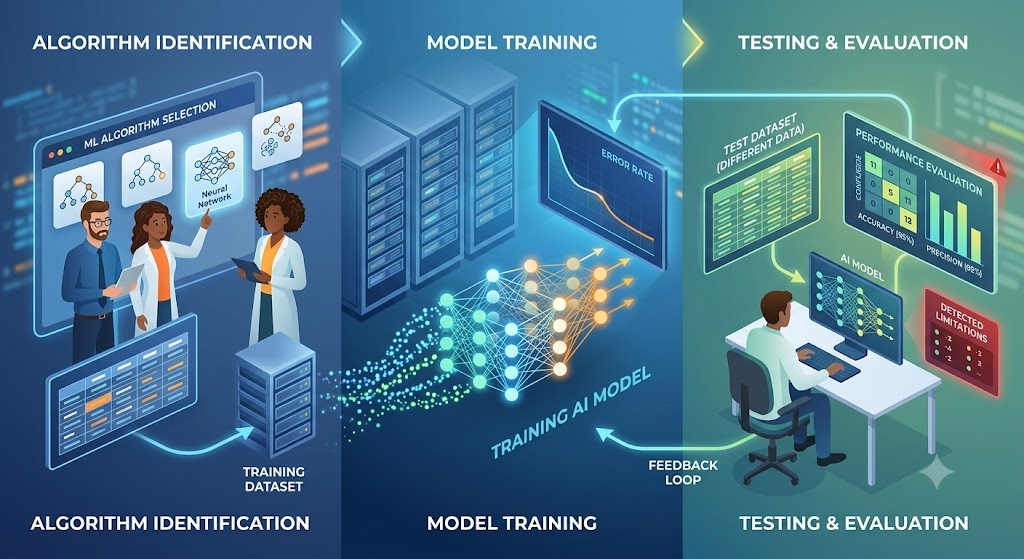
Train and test your AI model
The process of identifying a relevant machine learning algorithm for your data and training your AI model to recognize the connections within the dataset begins after data collection. Using a different set of data for testing will assist in evaluating the performance of your model and detecting any limitations.
Deploy and improve your AI application
Once the AI application starts showing satisfactory results, implement the AI model into an application. Monitor the outcomes, get feedback from the users, update the dataset, and train the AI application again whenever required.
How to code generative AI for modern applications
Learn how to code generative AI to create text, images, code, and more.
- Understand generative AI fundamentals: Before learning how to code generative AI, understand how these models learn patterns from data and generate new content. Unlike traditional AI, generative AI creates text, images, audio, and code.
- Explore large language models (LLMs): Large Language Models form the basis of many generative AI solutions. These technologies use huge volumes of data to analyze context and create natural human replies to support different kinds of generative AI-based applications.
- Select generative AI frameworks and tools: TensorFlow, PyTorch, Hugging Face Transformers, and LangChain, among others. Choosing the proper framework is dependent upon your particular needs for your project.
- Fine-tune models with custom data: Sometimes developers train models using datasets tailored to their requirements. This step ensures higher accuracy and relevance to user requirements.
- Develop and deploy generative AI applications: After training the model, developers can build applications such as chatbots, content generation engines, virtual assistants, software app development tools, and image generation platforms.
Real-world projects to learn how to code AI
Apply your knowledge through practical projects that strengthen AI development skills.
- Chatbots: Chatbots provide an excellent introduction to coding AI programs, as you learn about natural language processing, user interaction, and automation while creating conversational AI applications.
- Recommendation systems: These systems make suggestions to users based on their preferences and behavior. This assignment involves learning about techniques used by many recommendation systems in video and retail domains.
- Image recognition tools: Image recognition apps involve creating an algorithm that identifies objects and patterns from images. Making these kinds of apps enables one to learn about the computer vision domain and its applications.
- Sentiment analysis applications: Sentiment analysis applications evaluate text to determine whether opinions are positive, negative, or neutral. These projects help you learn natural language processing and text classification techniques.
How Enter Pro helps you learn how to code AI
If you're looking to learn how to code AI, Enter Pro goes beyond tutorials and guides, it's a platform where you can actually generate, customize, and debug AI project code. From AI fundamentals and programming concepts to machine learning and generative AI workflows, Enter Pro helps developers turn ideas into working applications instead of just reading about them.
Whether you're exploring how to code AI, understanding how to code generative AI, discovering how to use AI to code, or building websites with AI, Enter Pro serves as an AI for developers platform that generates code, offers guidance, and gives you the tools to build and ship intelligent applications with confidence.
Key features
- AI learning resources: Access beginner-friendly guides, tutorials, and insights that help simplify complex AI concepts and support continuous skill development.
- Programming and AI content: Explore practical content covering Python, machine learning, AI frameworks, and develop best practices for modern projects.
- Generative AI insights: Stay informed about emerging generative AI technologies, tools, frameworks, and techniques used in modern AI applications.
- Industry trends and updates: Follow the latest AI advancements, development trends, and innovations to keep your knowledge current and competitive.
- Practical development guidance: Learn effective strategies for building, testing, deploying, and optimizing AI applications through actionable educational content.
How to code AI with Enter Pro
Learn how to code AI with Enter Pro by generating, customizing, and launching AI applications faster.
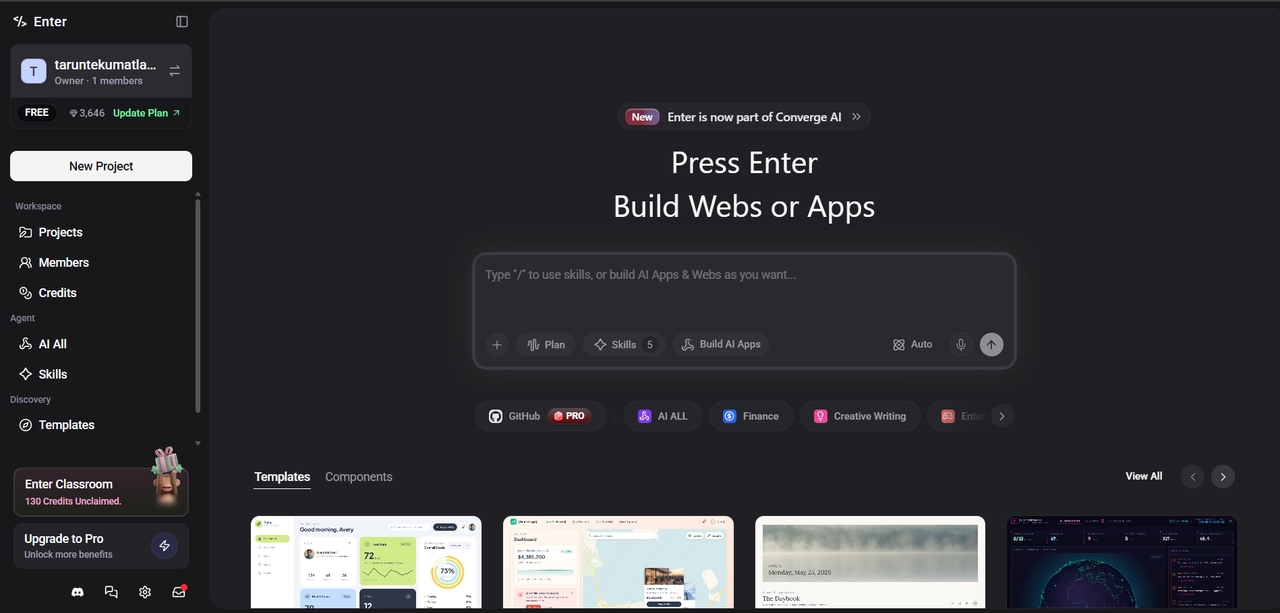
Step 1: Describe your AI project idea
Open Enter Pro, start a new project, and describe what you want to build. Explain your AI application, goals, features, and requirements. Select your preferred AI model and click Generate to create a tailored project structure, code, and development recommendations.
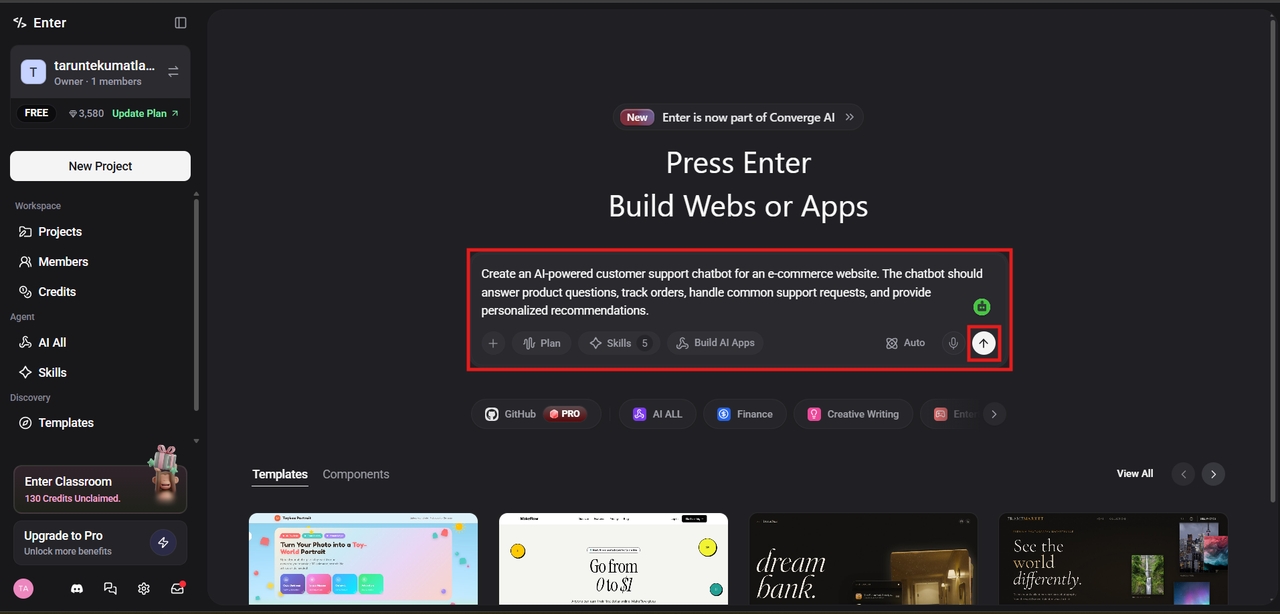
Step 2: Customize, test, and refine your AI application
Use Enter Pro's recommendations and visual editor to customize features, workflows, and functionality. Modify the generated code, test performance, review outputs, and make improvements to ensure your AI application meets your project objectives.
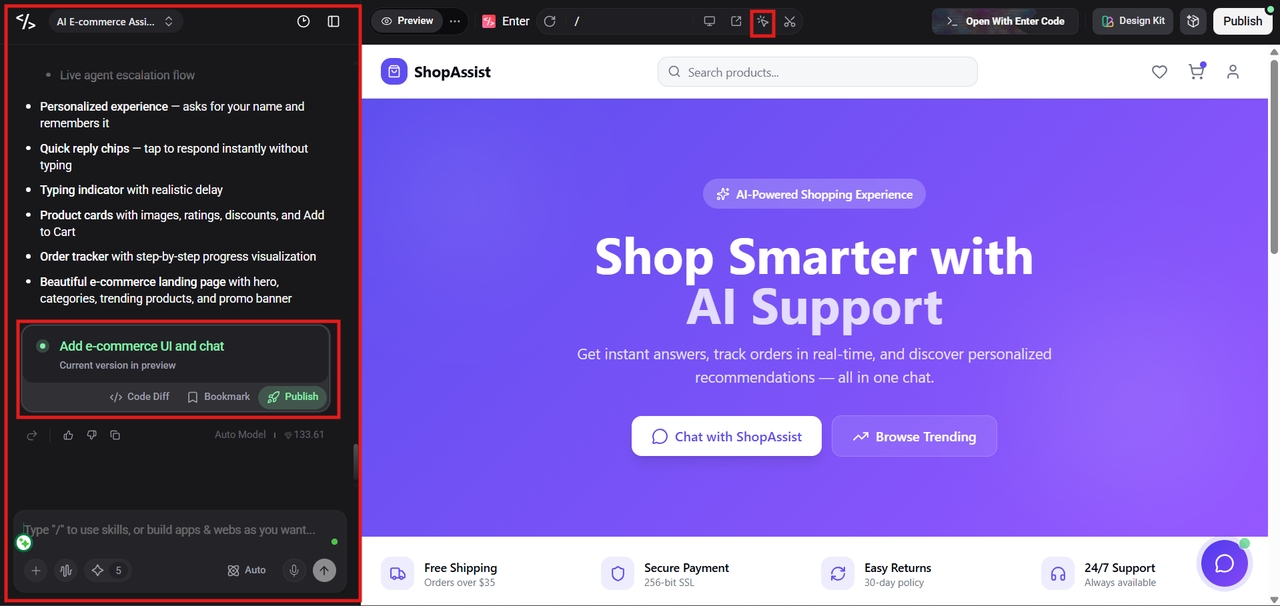
Step 3: Preview and publish live
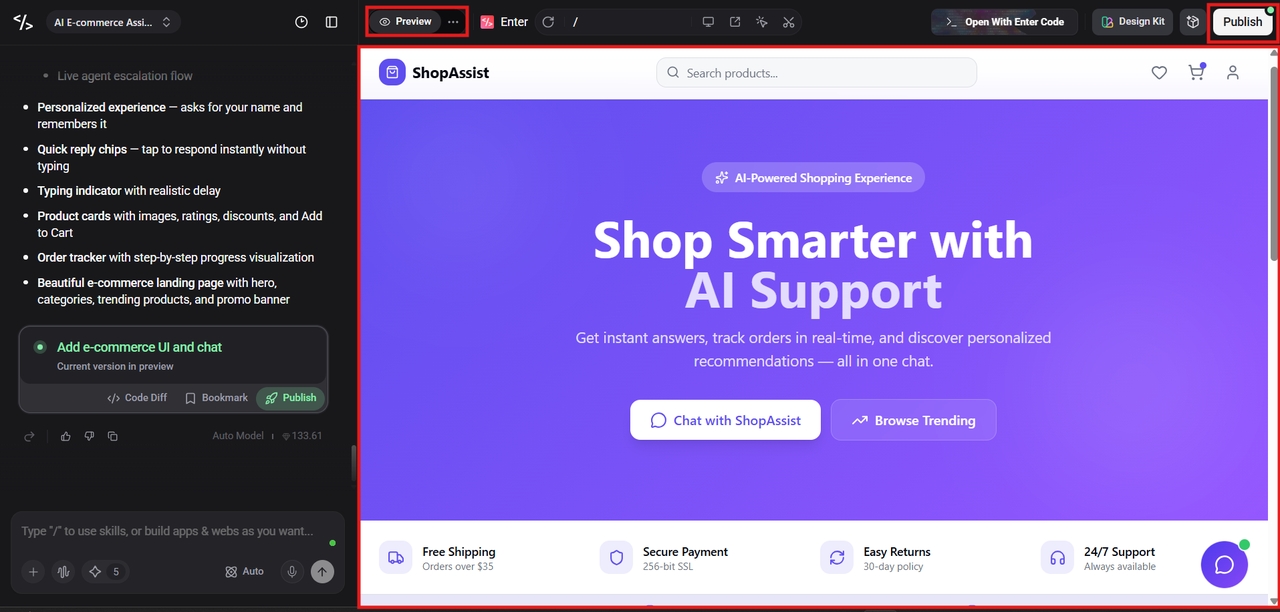
Preview your AI application to verify functionality and user experience. Make any final adjustments, test key features, and click Publish when ready. Deploy your project live and continue optimizing it as your requirements evolve.
Conclusion
Learning how to code AI needs solid programming knowledge, along with machine learning, data analysis, and knowledge of developing software for AI development. This tutorial included all necessary skills, languages, platforms, a detailed AI development process, and examples of real projects required to create intelligent software.
From figuring out how to code AI applications to discovering how to code for AI, regular practice is vital. Enter Pro can help you with your coding education in different areas and make this process easier for you. Ready to put these skills into practice? Get started free with Enter Pro and build your first AI app today.
FAQ's
Which AI frameworks should I learn when studying how to code AI?
In order to learn how to code AI, use TensorFlow, PyTorch, and Scikit-learn. When trying to learn how to code generative AI, you can look into Hugging Face Transformers and LangChain.
What is the difference between how to code AI and how to code generative AI?
How to code AI means developing programs that will process input data and make conclusions or predictions based on such data. How to code generative AI implies creating models that will produce different creative results, text, images, sound, coding, etc.
What are the common challenges when learning how to code AI?
Common challenges when learning how to code AI include understanding programming concepts, preparing datasets, choosing algorithms, and interpreting model results. Beginners may also find it difficult to keep pace with rapidly evolving AI technologies.
What are the best online resources to learn how to code AI?
The best resources include structured online courses, official documentation from frameworks like TensorFlow and PyTorch, developer communities where people share their experiences, and hands-on tutorials. Combining theoretical learning with practical, hands-on practice contributes significantly to building solid AI programming knowledge.
What resources does Enter Pro provide for learning how to code AI?
Enter Pro offers resources covering how to code AI, machine learning, AI tools, and generative AI concepts. Learners can access educational content, industry insights, and practical guidance to strengthen their AI development knowledge and skills.